
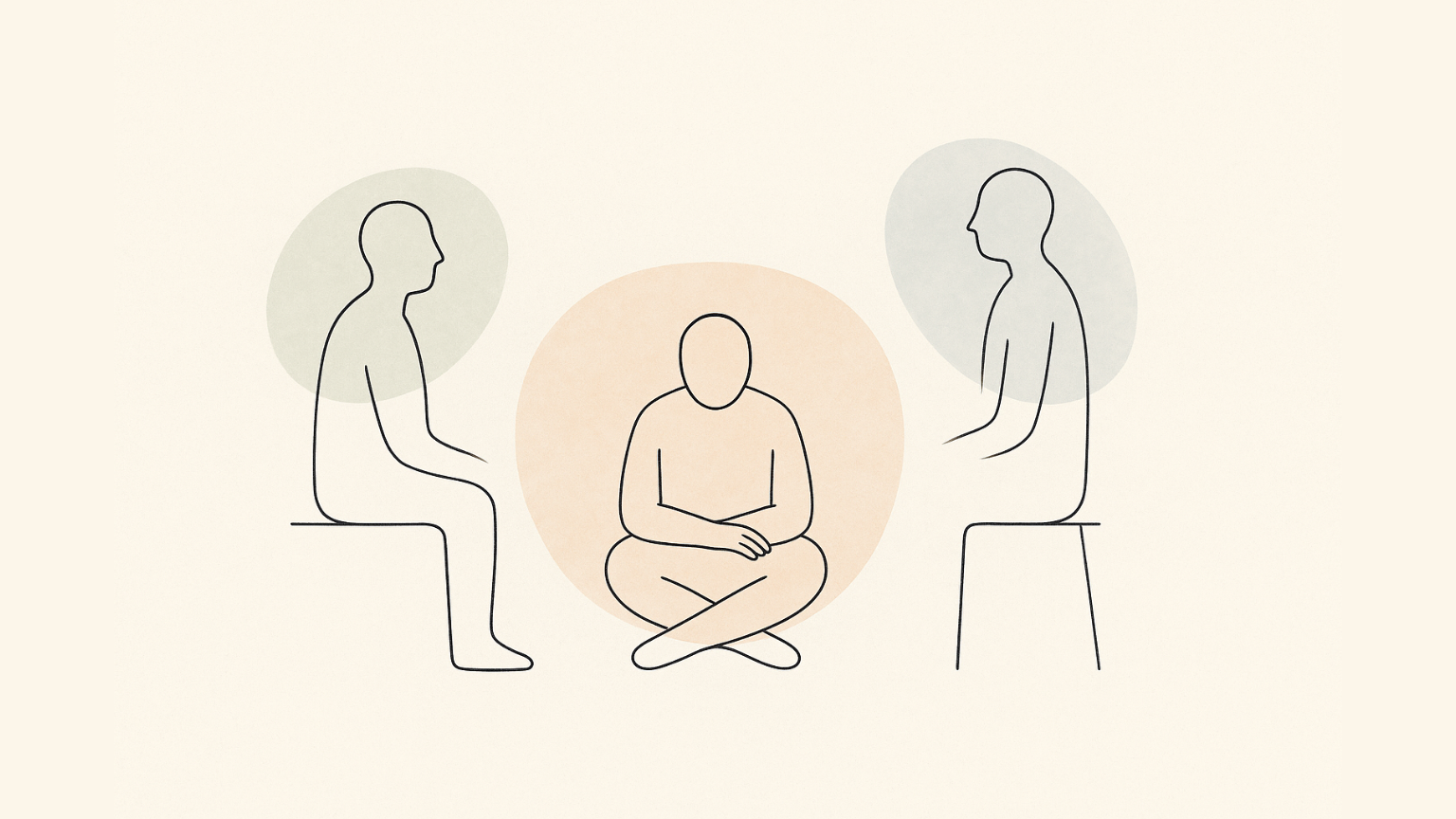
The self-protective distance that starts to feel lonely.
You’re used to doing things on your own
Maybe you’ve always been the strong one. The one who copes, who gets on with it, who doesn’t ask for help.
There’s pride in your independence — and maybe safety, too. Letting people in hasn’t always gone well. So you learned to be self-reliant, maybe even invisible.
It works… until it doesn’t.
Sometimes, independence is armour
Being fiercely independent can be a strength — but it can also be a way of protecting yourself from disappointment, vulnerability, or the risk of being misunderstood.
Maybe:
- You downplay your needs, or don’t share them at all
- You avoid leaning on others, even when things feel heavy
- You stay on the surface in relationships, keeping safe distance
- You’re more comfortable giving support than receiving it
- You’ve learned to numb or dismiss your emotional needs to keep things running smoothly
That protective instinct may have come from somewhere real — but over time, it can start to feel isolating.
We all need connection — even if it feels risky
Longing for closeness doesn’t make you weak.
Needing support doesn’t make you needy.
You can be independent and still want to be seen, understood, and cared for.
The need for connection is human.
And sometimes, what we call “independence” is just a habit built on disappointment — one that helped us survive, but now keeps us stuck.
In therapy, you don’t have to carry it all alone
You don’t need to show up with a polished version of yourself.
You don’t need to explain away your need for support.
You can be honest here — even if your voice shakes a little at first.
Therapy can be a space where connection feels safe again — slowly, and on your terms.
Together, we can explore:
- What shaped your need for independence
- How it protects you — and how it limits you
- What trust, support, and closeness could look like in a way that feels safe and manageable
You’re allowed to take up space. You’re allowed to want more.
You don’t have to rush into anything. There’s no pressure to be “more open” before you’re ready. But if you’re feeling the quiet weight of aloneness, it might be time to try a different kind of support — one where you still get to be you.