
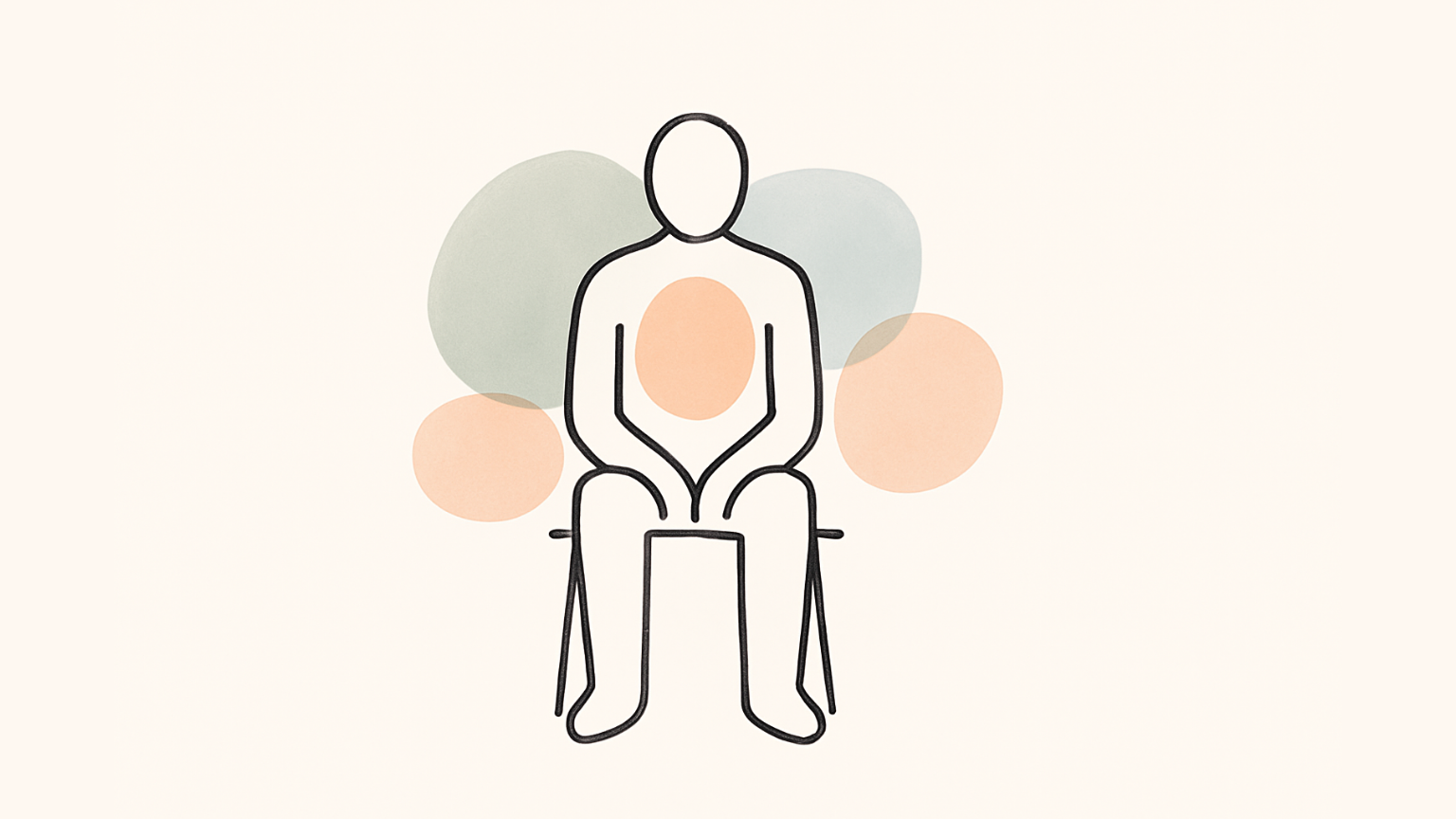
Understanding emotions as something more than just “problems to solve”.
’Riding the Wave’ versus ‘Fighting the Tide’
Anxiety often brings more than just worry. It can show up as dread, shame, fear, guilt, frustration — sometimes all at once. And when emotions feel big or messy, the brain’s natural response is to fix it. Or avoid it. Or numb it.
But here’s the twist:
The more we fight the feeling, the louder it tends to get.
What if, instead of trying to get rid of it, we could learn how to sit with it — and ride it out?
In therapy, we can look at how you might stay present with difficult feelings without being overwhelmed by them – shifting the focus from just “coping” to building the capacity to feel, without reacting or shutting down.
1. Feeling It Without Fixing It
Most of us aren’t taught how to sit with feelings — especially the uncomfortable ones.
We’re taught to fix them, hide them, analyse them, or distract ourselves until they pass.
But emotions, even painful ones, don’t usually need to be fixed.
They need to be felt.
Emotions as Waves, Not Problems
One way to think about emotions is like weather patterns — they roll in, they peak, and they pass, and sometimes they roll in again…
If we try to suppress or outrun them, they often stick around longer. But when we make space to actually feel them — without reacting, judging, or rushing — they tend to move through us more freely.
This might sound simple, but it’s not always easy. Sitting with an emotion means:
- Noticing where it shows up in the body
- Naming what’s there (e.g. tension, sadness, dread)
- Allowing it to be there, even if it’s uncomfortable
- Letting go of the urge to “solve” it right away
It’s okay if this takes time. Emotional tolerance is a skill — and it builds slowly, in small moments of allowing.
What Is This Feeling Telling Me?
Emotions aren’t just noise — they’re information.
They often show up to point out something that matters.
You can think of emotions as signals about needs:
- Negative emotions = a need might be unmet
- Positive emotions = a need is likely being met
For example:
- Anxiety might signal a need for safety, clarity, or reassurance
- Anger could reflect a crossed boundary or a sense of injustice
- Sadness might point to a need for connection, comfort, or rest
- Guilt could signal a conflict with your values
So one way to sit with an emotion is to get curious about it:
“What might this feeling be trying to tell me?”
“Is there a need underneath this?”
You don’t have to immediately meet that need, or act on the feeling — but simply naming what’s going on underneath can help soften the urgency.
Slowing the Urge to React
When emotions feel big, fast, or overwhelming, the instinct is often to do something — withdraw, snap, fix, distract, numb. That’s not a failure — that’s just your nervous system trying to protect you.
But even a small pause can change everything.
Next time a strong emotion shows up, you might try saying to yourself:
“This feeling is allowed to be here.”
“I don’t need to do anything with it right this second.”
“It won’t stay this intense forever.”
Creating a little space between feeling and action is one of the most powerful emotional regulation tools we’ve got — and it’s something you can practice in tiny, everyday moments.
Bottom Line
You don’t have to fix, analyse, or avoid every feeling.
Sometimes the most helpful thing you can do is pause, notice, and let the emotion move through.
Feelings are temporary.
They don’t need to be solved — just felt.
2. Responding Kindly to Yourself
Anxiety can come with a second wave of struggle — not just feeling bad, but feeling bad about feeling bad.
We beat ourselves up for being too sensitive.
We call ourselves silly, dramatic, or weak.
We try to “power through” in a way we’d never expect from someone else.
But here’s a quiet truth that changes everything:
You don’t need to be hard on yourself to make progress.
In fact, most people make more lasting change when they feel supported — not shamed — by their own inner voice.
Recognising the Inner Critic
Most of us have an inner critic — that inner voice that shows up when we’re anxious, overwhelmed, or struggling, and says things like:
- “Get it together.”
- “What’s wrong with you?”
- “You’re making a big deal out of nothing.”
- “Everyone else can handle this — why can’t you?”
It usually thinks it’s being helpful. It might be trying to toughen you up, motivate you, or protect you from embarrassment. But more often, it just leaves you feeling smaller — ashamed, exhausted, and alone with the struggle.
The inner critic doesn’t make anxiety easier to manage.
It makes it louder — because now you’re not just feeling anxious… you’re also feeling bad for feeling anxious.
That’s where self-compassion comes in.
Not as the opposite of the inner critic — but as an alternative voice you can choose to listen to instead.
What Is Self-Compassion?
Self-compassion isn’t self-pity.
It’s not letting yourself off the hook.
It’s not “toxic positivity” or pretending everything’s fine.
It’s about responding to your own difficult moments the same way you might respond to a struggling friend — with honesty, patience, and care.
Dr. Kristin Neff, a leading researcher in self-compassion, describes it as having three parts:
- Mindfulness – Acknowledging what you’re feeling without exaggerating or minimising it
- Common humanity – Recognising that you’re not alone in this
- Kindness – Treating yourself with the tone you’d use with someone you care about
You don’t need to master all three — even a tiny dose of self-kindness can start to shift how you relate to yourself in anxious moments.
Changing the Inner Voice
One way to begin is to notice how you talk to yourself when you’re anxious.
Is it gentle? Or is it punishing?
Is it curious? Or is it critical?
Is it trying to help you feel safe — or just trying to get you to shut up and get on with things?
Here are a few simple exercises you might try:
How would you speak to a friend?
Most of us find it easier to give compassion to a friend or loved one rather than to ourselves…
- Imagine your closest friend or a child you care about comes to you, overwhelmed and panicked…
- What would you say to them?
- How would your tone sound?
- Now: what would it be like to offer yourself even 50% of that same tone?
… You don’t have to go full cheerleader. Even a quiet, steady internal “I’m with you” can take the edge off.
Here are a few gentle phrases that may help. These aren’t magic words — but they can act as anchors in the storm. Try a few on and see what feels good:
- “I can be kind to myself, even when I’m struggling.”
- “This is hard, but I’m doing my best.”
- “Of course I feel anxious — this matters to me.”
- “There’s nothing wrong with me for feeling this way.”
- “Other people feel this too — I’m not broken.”
Self-Compassion Doesn’t Mean You Have to Like the Feeling
Some people worry that being compassionate will make them passive — or that they’re “indulging” the anxiety. But self-compassion isn’t about liking the feeling. It’s about softening the way you meet yourself in it.
You don’t have to say:
“Yay, anxiety!”
But you can say:
“This is hard… and I can be gentle with myself while I get through it.”
And weirdly, the gentler tone?
That’s often what allows the emotion to ease.
Bottom Line
Self-compassion isn’t a luxury or a bonus — it’s part of what helps anxiety loosen its grip.
You don’t have to be fearless. You don’t have to be perfect.
You just have to treat yourself like you matter — especially on the hard days.
To finish, I’d like to share this super simple tool you can use in the moment when things feel overwhelming…
The Self-Compassion Pause
When things feel really tough and overwhelming…
- Pause – Take a breath. Just notice what’s happening.
- Acknowledge – Say to yourself: “This is a moment of struggle.”
- Normalise – “Struggle is part of being human — I’m not alone in this.”
- Respond kindly – “What do I need right now? Can I offer myself even a little kindness?”
Some people choose to do this exercise with one hand placed gently over the heart.
It only takes a few seconds — but sometimes that’s enough to shift the tone of how you’re meeting yourself.


